
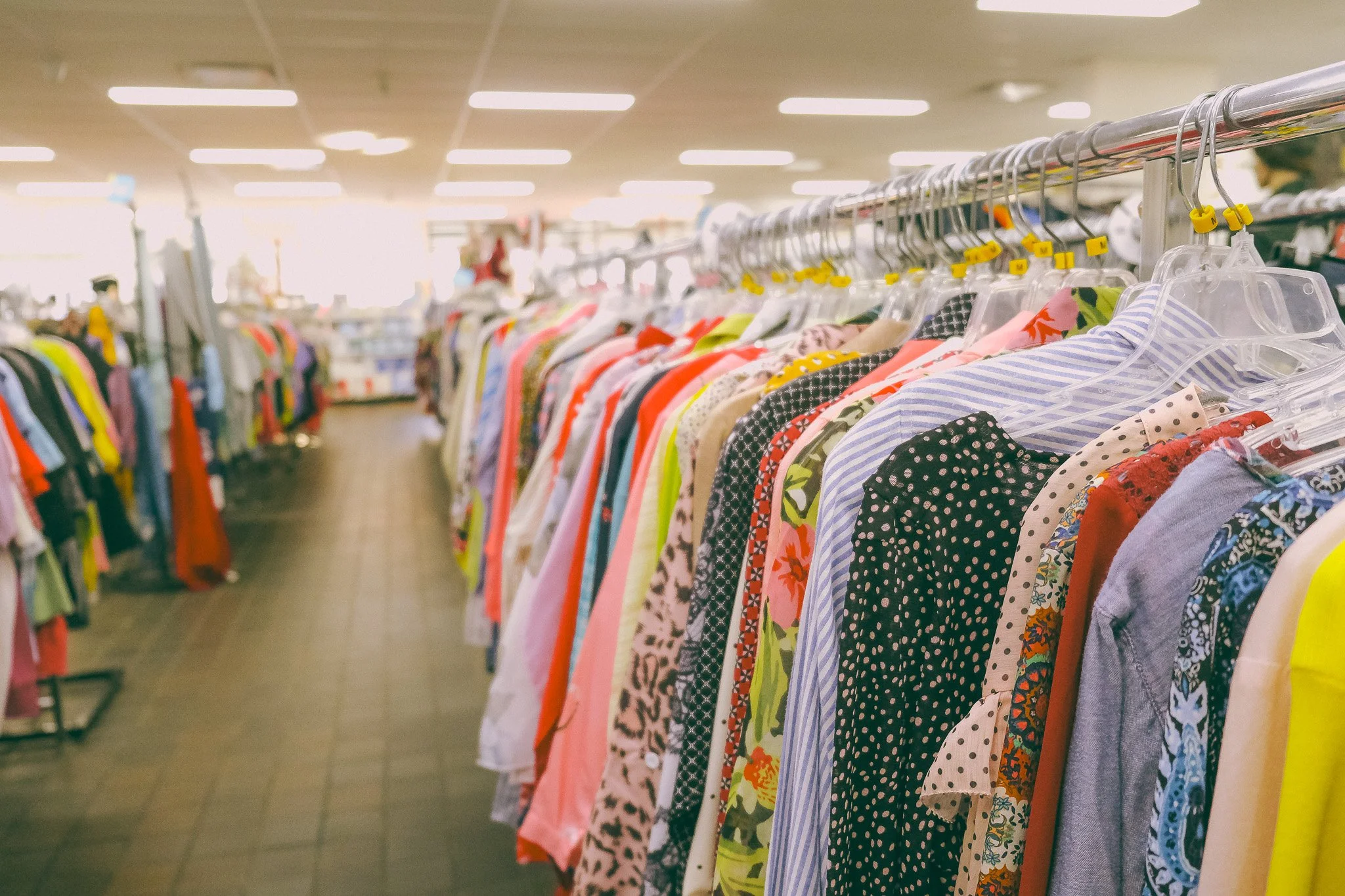
It’s Sustainable September, a time to look at how we can all waste less and live in a way that’s more economically sustainable for ourselves and for the entire planet — thrifting can be a part of that!
Climate change, affordability, excessive waste, and environmental degradation are all major systemic challenges people are trying to navigate. These disproportionately affect people experiencing poverty and homelessness — making surviving day-to-day without stability all the more challenging for people already experiencing numerous barriers.
Changing your shopping habits won’t necessarily see an end to these challenges right away — these are steps that can grow into big improvements in our lives and maybe across the globe.
Here are four ways that moving your shopping habits to second-hand can help.
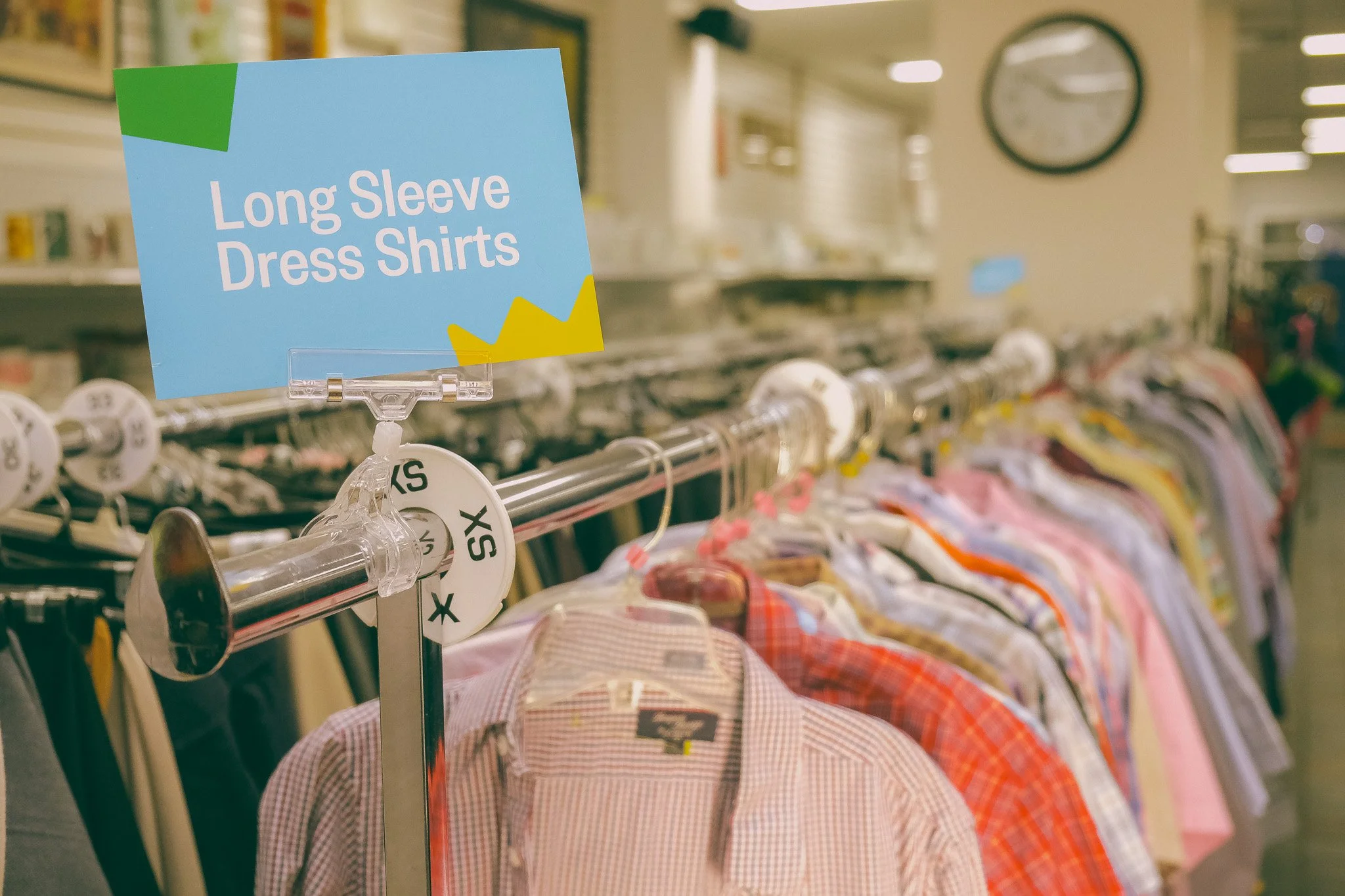
Extending the life of clothing and other household goods
A hard truth about the amount of clothing and household goods waste is that a lot of what’s thrown away is still in great condition and perfectly usable.
Being able to extend the life of pre-loved goods has a lot of benefits both for the environment and for your wallet — and, those pre-loved goods can benefit people in the community.
Many of the items donated to Bissell Thrift Shop are distributed directly to people in need through different programs and services offered at Bissell Centre. This includes the close to 1,500 warm winter items from Bissell Thrift Shop that were distributed on the Extreme Weather Response shuttle — given to people experiencing homelessness in Edmonton’s harsh winters.
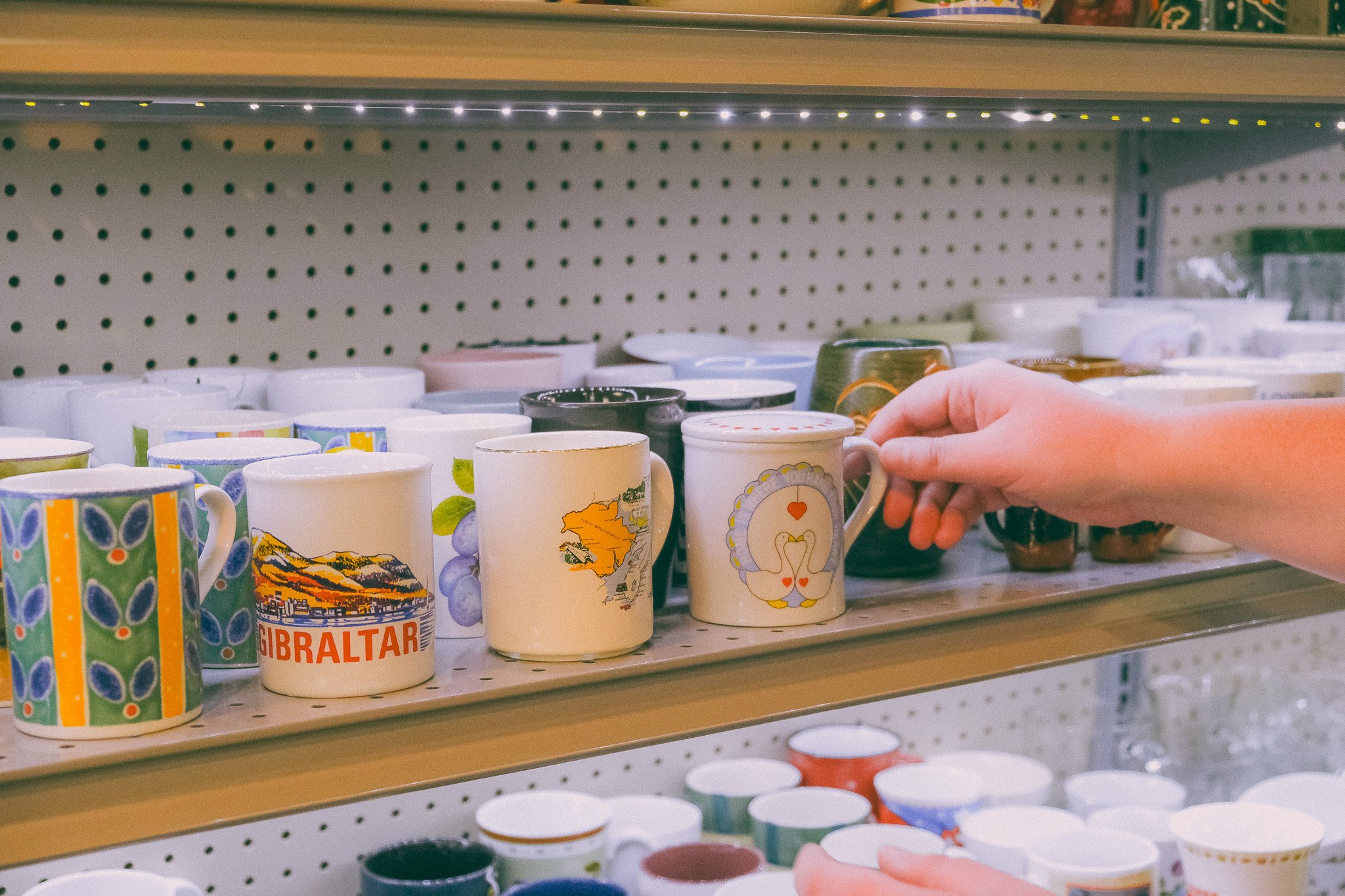
Fewer things going into landfills
Many places that accept “donations” of household goods aren’t necessarily distributing them into the community or reselling them. The documentary The True Cost highlighted how a lot of clothing donations are still disposed of in ways detrimental to the environment, including being burned — with many of the harsh chemicals used in clothing production left to linger in the air.
In 2025, we received approximately 174,260kgs of donated items — and were largely able to keep these items out of landfills through our recycling partners. It’s a step towards eliminating clothing and household goods waste that can contribute to climate change.
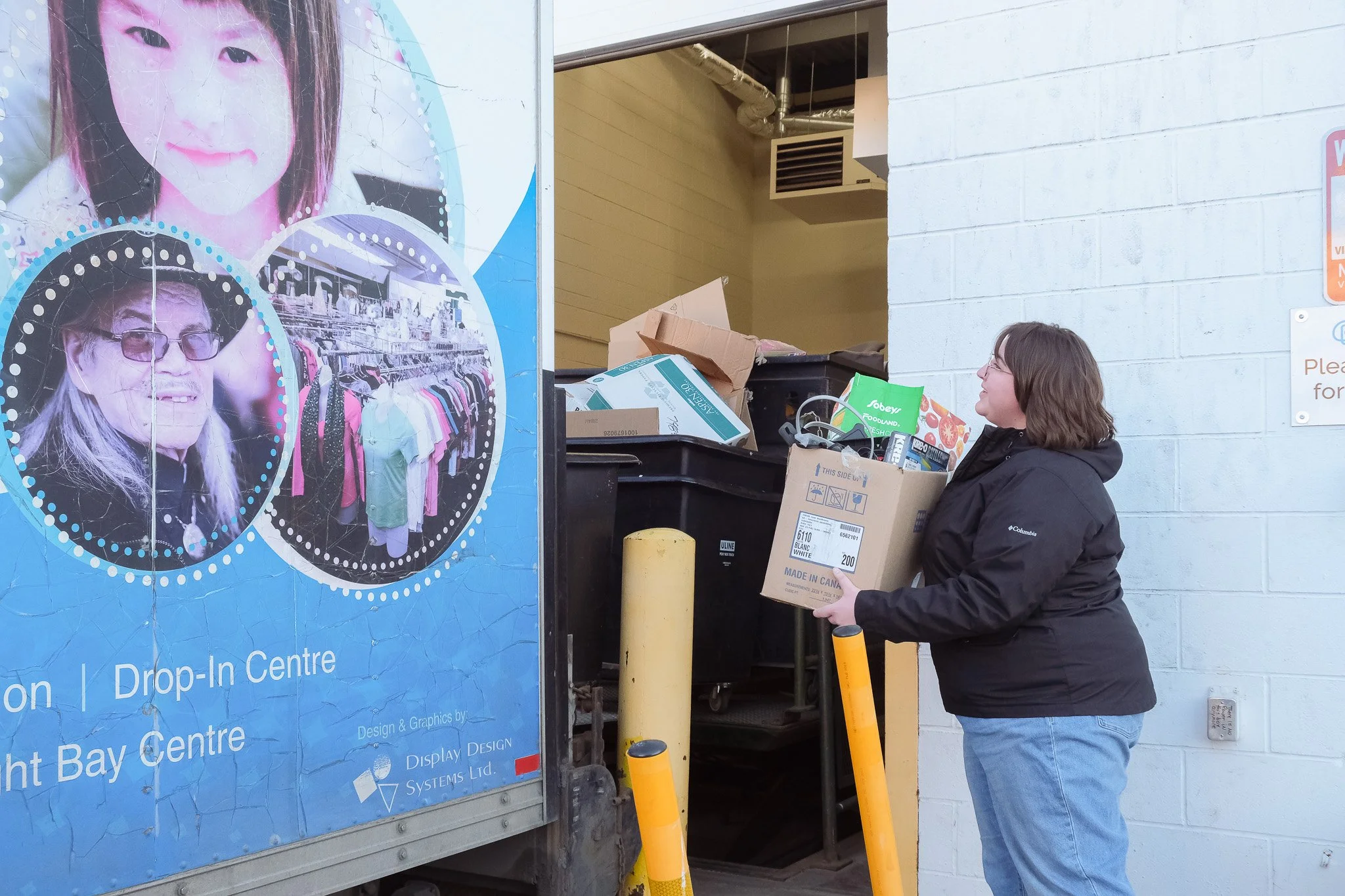
Recycling goods not fit for sale
When Bissell Thrift Shop receives donated items that aren’t suitable for being distributed to the community or sold in store, we still look for opportunities to dispose of the items in ways that don’t further contribute to pollution and climate change.
This includes our partnership with Quantum Lifecycle, who reuse and recycle old technology that’s broken or out of date. One of the ways Quantum Lifecycle can keep old tech out of landfills is by taking them apart, pulling key components (that are often made from rare metals that can be toxic) and reusing them in current pieces of technology — meaning less rare metals need to be mined and fewer pieces of toxic waste are left to contaminate the earth. In 2025, our partnership with Quantum Lifecycle saw us divert 10,359kgs of electronic waste away from landfills.
Affordable
We’re all feeling the financial pinch. Thrifting can be one way you could offset rising costs and help make your day-to-day living much more personally sustainable.
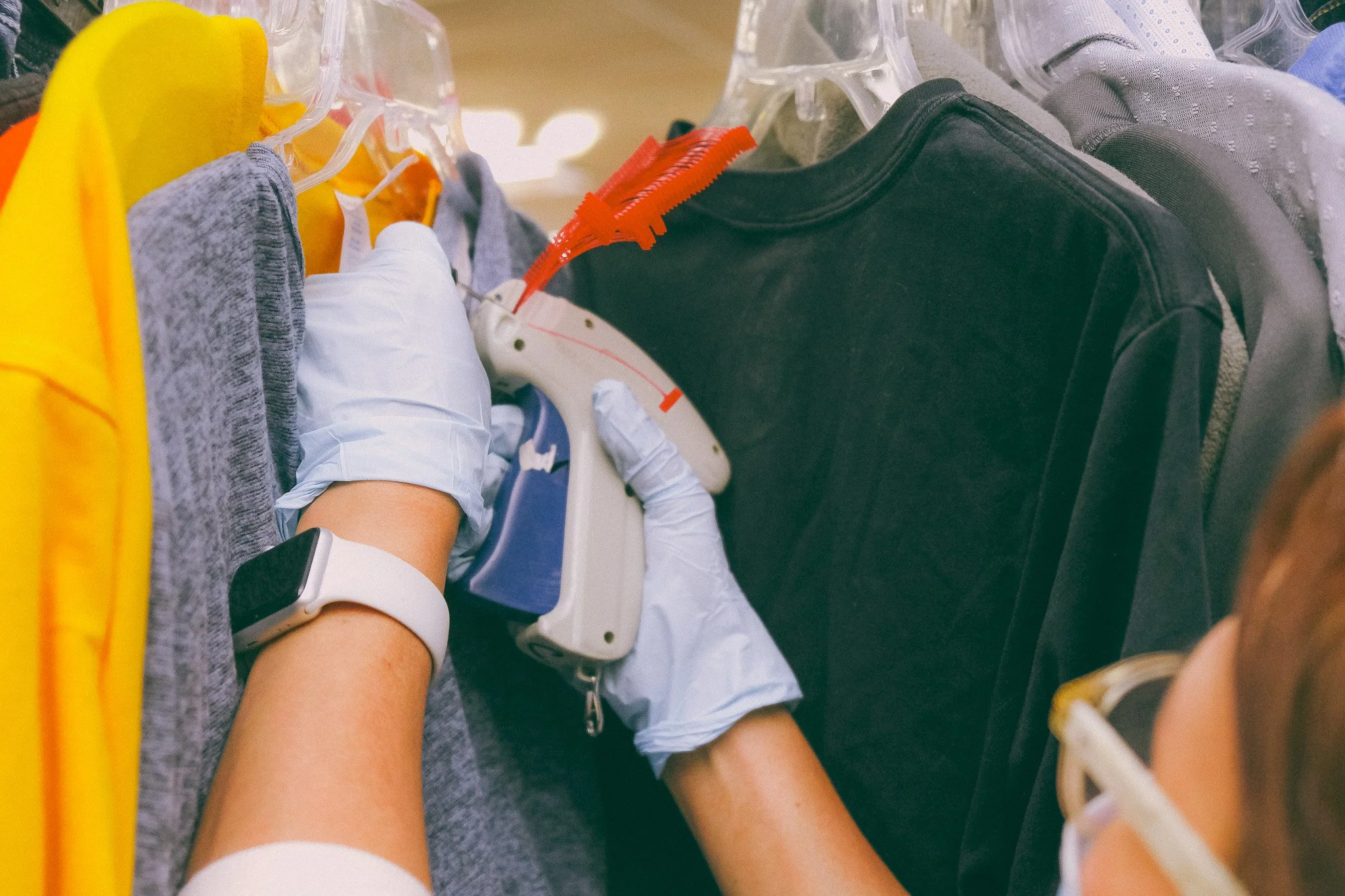
Bissell Thrift Shop prices items well-below both the price of new products and the largely inflated prices of some other second-hand and collectable resellers. Because serving the community is our first priority, we ensure prices remain as low and accessible as possible so everyone has an opportunity to reap the benefits of thrifting.
These are just some of the ways that thrifting can help with a more sustainable life. Let’s keep the conversation going! What are the main sustainable benefits you see to thrifting? How else are you changing habits for a more sustainable life? Follow us on Facebook and Instagram to keep the conversation going.